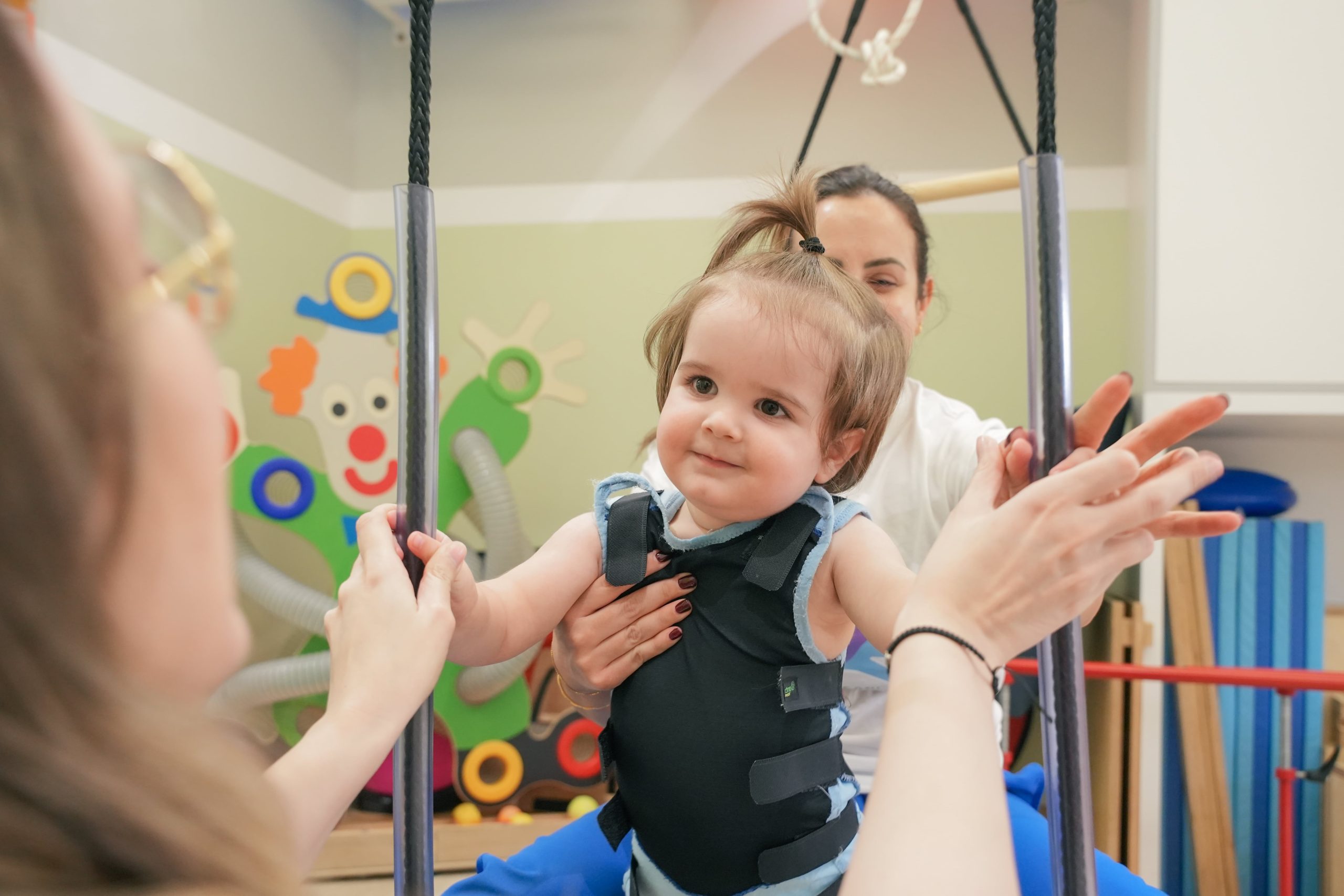
Pediatric physiotherapy sessions are designed with a child’s unique needs in mind, ensuring therapy is both effective and enjoyable. These sessions aim to help children build their physical abilities while addressing specific challenges they may face.
Here’s an overview of what you can expect during a typical pediatric physiotherapy session.
Initial Assessment and Setting Goals
At the beginning, the physiotherapist conducts an initial evaluation to understand the child’s strengths, abilities, and any areas requiring attention. This step helps the therapist craft a personalized plan tailored to the child’s developmental stage, medical condition, and physical goals. The assessment process may involve observing movements, testing flexibility and strength, and discussing with parents or caregivers to gather a complete picture.
Engaging Warm-Up Activities
To prepare the child for focused exercises, warm-up activities are introduced. These are typically fun and engaging, such as simple stretching or playful games that encourage movement. The goal here is to get the child comfortable and ready for the session while also promoting basic motor skills.
Targeted Exercises and Therapies
Once warmed up, the therapist guides the child through specific exercises aimed at improving mobility, strength, and coordination. These might include balance practices, gentle resistance exercises, or movements tailored to specific rehabilitation goals. For younger children, therapy often feels like play as therapists incorporate toys, props, or interactive activities to keep the sessions enjoyable and engaging.
Using Specialized Equipment
Many pediatric physiotherapy clinics are equipped with tools designed to assist children in their therapy. These could range from therapy balls, balance boards, and resistance bands to more advanced technologies where appropriate. This variety encourages participation and keeps sessions interesting for kids.
Continuous Feedback and Progress Tracking
Throughout the session, the therapist provides constant guidance and encouragement, offering modifications as needed to ensure exercises are done correctly. Regular progress reviews help measure improvements and adjust treatment plans to support the child’s evolving needs effectively.
Parental Guidance and Home Exercises
Parents or caregivers often play a key role in therapy. At the end of the session, the physiotherapist may share tips and recommend simple at-home activities to support the child’s development between appointments. This approach helps build consistency and reinforces progress.
By combining professional expertise, engaging techniques, and a child-friendly environment, pediatric physiotherapy sessions create a positive experience that supports the child’s physical well-being and developmental growth. Each session is a carefully planned effort to equip children with the foundational skills they need to thrive.